HÜRRİYET — İPEK İZCİ — For Chef Sinem Özler, who says she is “a nationalist when it comes to food”, a dish begins long before the kitchen: she traces a pepper, a grain of rice, a recipe handed down through generations in an Anatolian village, listens to the person who makes it, and brings what she learns to her restaurant’s table.
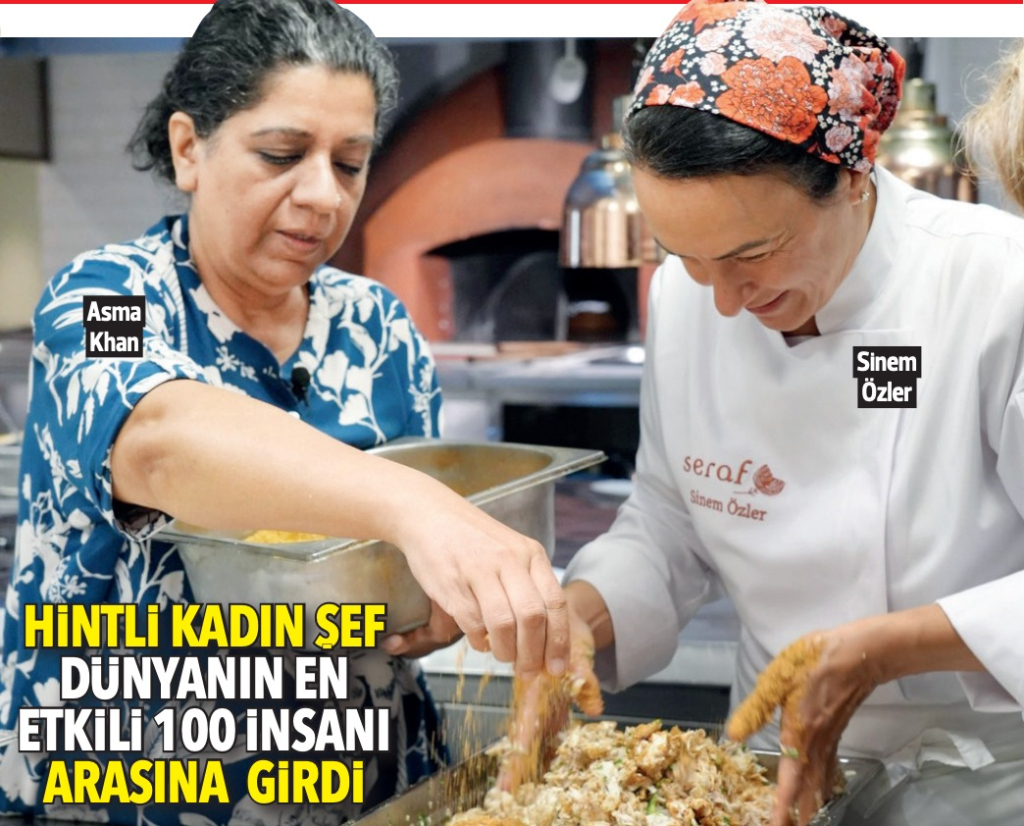
The column follows her move from advertising into the kitchen. Eleven years ago, when the cooks left Seraf Mahmutbey — where she was general manager — founder Doğan Yıldırım told her, “You put on the apron.” Growing up in a crowded household, five generations of Istanbul, gave her a head start: a kitchen where baklava was rolled at holidays, tarhana was made, pickles and preserves were put up, and boza was even brewed at home.
In the early years she often heard “my mother makes this too”, and came to see that her strongest rival was not another chef but people’s own memory. Her aim shifted from repeating a recipe exactly to rebuilding a familiar dish with better produce, sounder technique and finer workmanship. Over the years her cooking has grown simpler; she finds plates built from few ingredients more meaningful — a good artichoke, good olive oil, the right cooking.
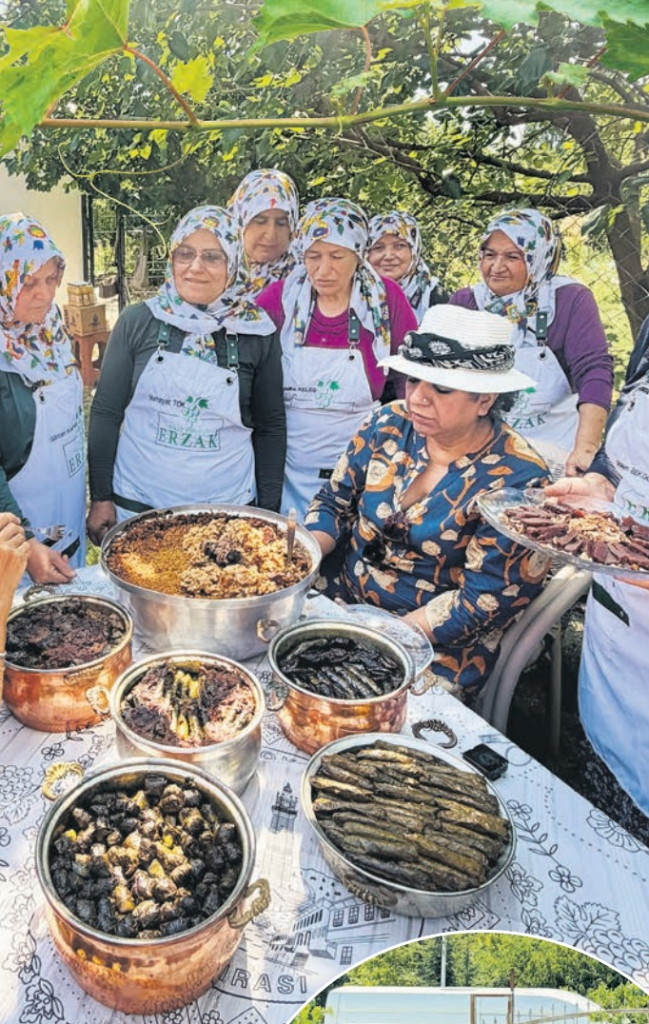
With the opening of Seraf Vadi her range widened. She does not reject kebab; what she objects to is the story of Turkish cuisine beginning and ending with it. She has travelled 45 cities so far, seeing the soil a product grows in and the hands that work it. She brought Çermik peppers from Diyarbakır and pickled them; the Karacadağ rice she once had to explain is now recognised by many more people.
Abroad, the hardest part is access to produce: “I travel with suitcases full of ingredients. If people cannot find vine leaves, currants or allspice in a shop, they cannot get near the dish. Without the product there is no dish.”
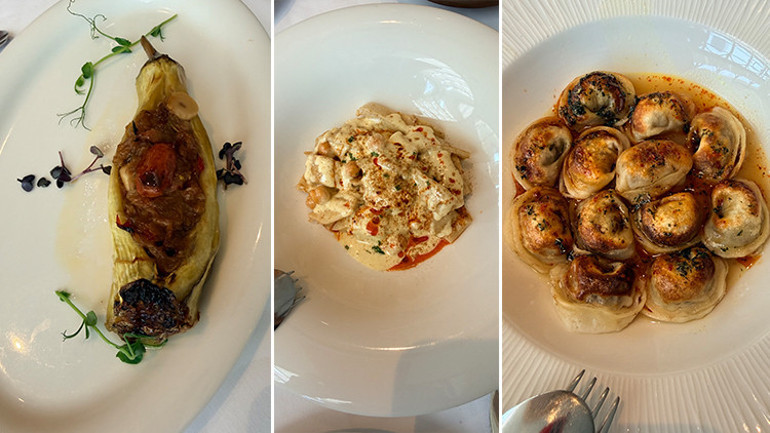
The piece also recalls the NATO Summit: 360 guests served within an hour and a half — çanak enginar with broad beans, içli köfte, stuffed courgette flowers, beğendi, tenderloin, semolina halva and baklava — with a team of three or four, in an unfamiliar kitchen. Another thread is the next generation: “When I started there were two of us women, and we couldn’t even find an intern. Now they queue up to work here.”